


Bridging the gap between the courtroom and the community.
Justice Hub
The hūmānus Justice Hub serves as a repository of our active and concluded case studies, designed to demystify the path to accountability. We believe that legal expertise should not be siloed; it must be a shared resource. By deconstructing strategic litigation, reparations frameworks, and human rights mechanisms, we provide survivors and advocates with the forensic insights needed to navigate the international legal system. Each case study tracks our progress in challenging the Institutional Fallacy, ensuring that the pursuit of justice is transparent, community-aligned, and focused on material results.
Transforming Memory into Evidence: The Rohingya Atrocities Archive (RAA)
The Rohingya Atrocities Archive (RAA) is a cornerstone of the hūmānus mission to bridge the gap between survivors and the global justice system. More than a repository of stories, the RAA is a forensic project designed to transform personal testimony into a permanent, protected record that can withstand the scrutiny of any courtroom. In a context where the state has systematically weaponised “citizen archives” to erase Rohingya identity and deny existence, the RAA serves as a powerful counter-archive. By digitalising thousands of eyewitness accounts, audio-visual documentation, and forensic patterns of violence, we ensure that the truth of the 2017 genocide is neither forgotten nor rewritten.
A Conversation with Maung Sawyedollah on Education as Reparation on the UN International Day of Education 2026
For the UN Day of Education on 24th January 2026, hūmānus spoke to Maung Sawyeddollah, a proud Rohingya, Founder and Executive Director of the Rohingya Students Network and the first Rohingya to leave the camps in Cox’s Bazar to study law at NYU in the US.
Evidentiary Truths: Hashmat Ullah on the ICJ Proceedings (The Gambia v. Myanmar)
As the International Court of Justice (ICJ) concludes its historic merits hearings (January 12–29, 2026) in the case concerning Application of the Convention on the Prevention and Punishment of the Crime of Genocide (The Gambia v. Myanmar), the focus has shifted to the rigorous standard of “fully conclusive” evidence.
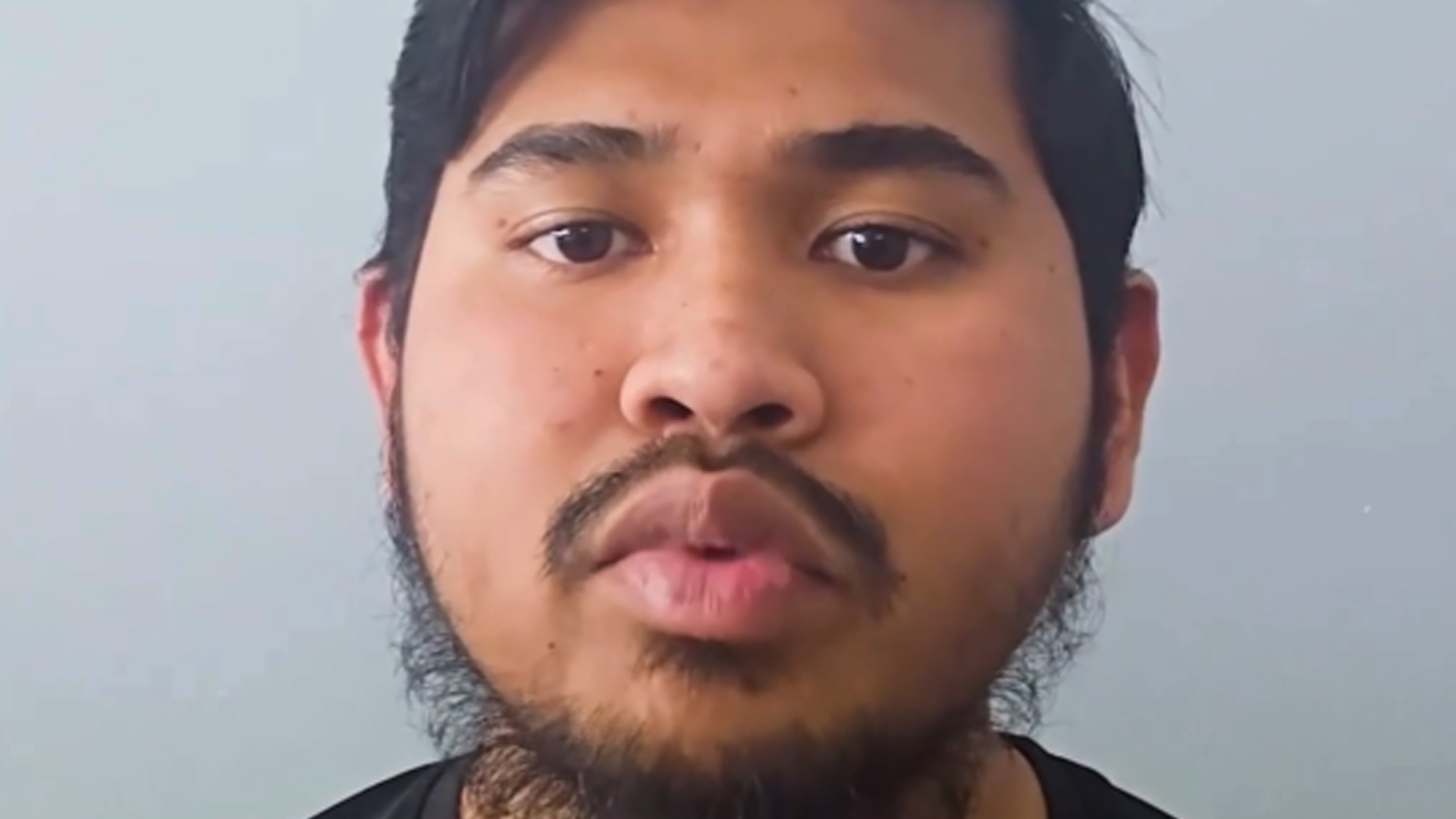
In this featured conversation, Hashmat Ullah, who has continued his father’s advocacy from Canada since 2022, provides the essential human context behind the technical legal filings. His testimony offers a rare insight into the systematic destruction of the “social fabric” of the Rohingya, a key argument used by The Gambia and the 11 intervening states to establish genocidal intent. By amplifying these accounts, hūmānus ensures that the voices of the Rohingya diaspora remain a living bridge to the judges at the Peace Palace.
2026 Update: The Court Deliberates
Following the conclusion of the public hearings on January 29, 2026, the Court has officially begun its deliberation. This phase is of particular importance as it included closed-session witness examinations, where Rohingya survivors directly confronted the military’s narrative with first-hand truth; a watershed moment for international accountability.
Status: Pending Final Judgment.
Next Milestone: A binding verdict on state responsibility is expected within 6 to 12 months.
Coming Soon.
Coming Soon.
Credits: Photo by grace sungura on Unsplash